Executive Overview
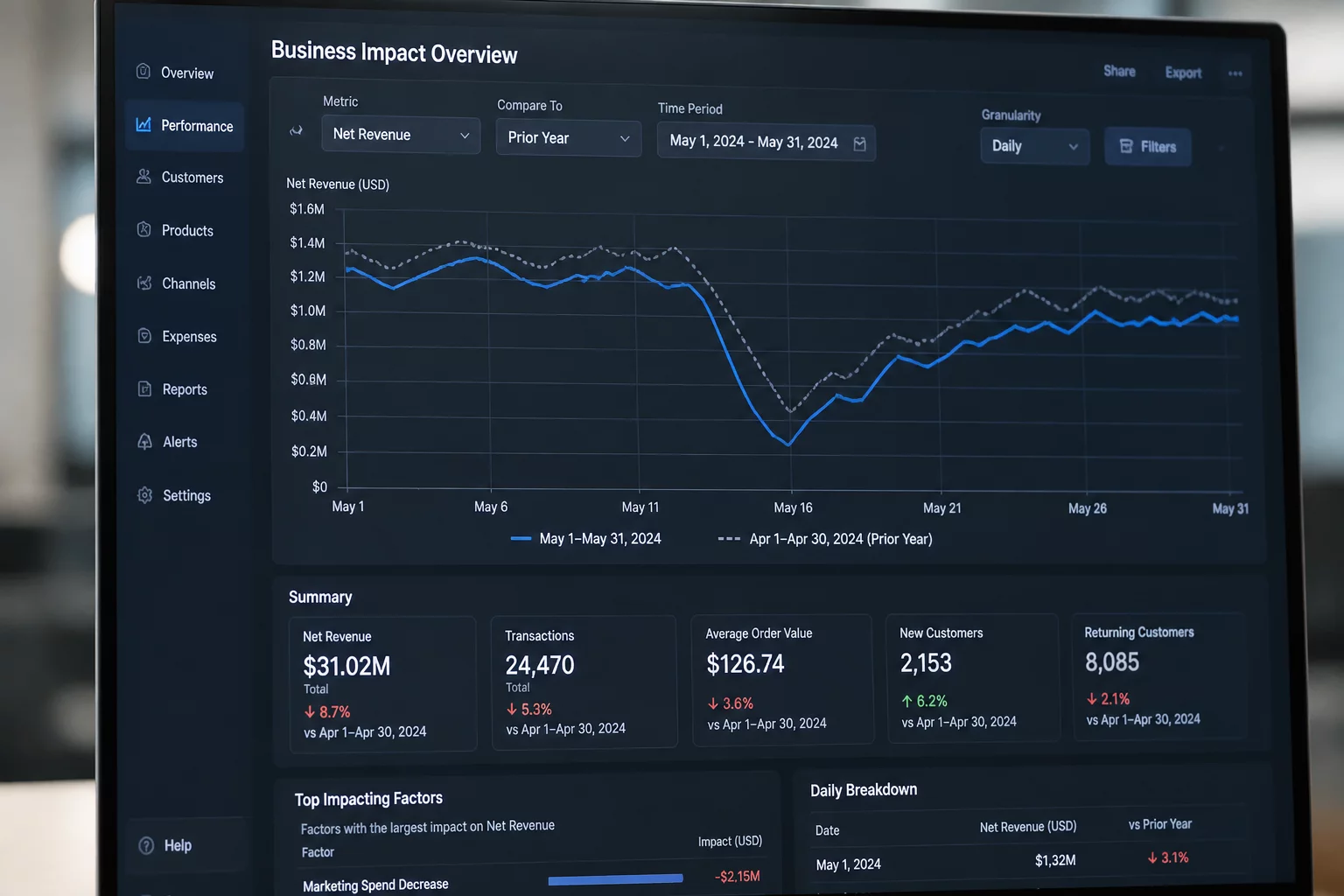
Technical downtime numbers mean very little until engineering teams translate them into operational consequences. When an infrastructure component drops offline, database restore metrics and hypervisor boot timers represent only a fraction of the problem. Business stakeholders measure incidents through lost transactional volume, idle manufacturing capacity, unbilled hours, regulatory reporting fines, and damaged brand trust. Evaluating business impact requires bridging the gap between raw restore speeds and real-world commercial viability.
Critical Drill Protocol
During tabletop scenarios, always demand precise loss calculation formulas from participating department leads. Replace hypothetical estimates with concrete hourly cost thresholds, maximum allowable downtime windows, and exact regulatory reporting deadlines.
Key Decision Checkpoints
Operational impact escalates non-linearly over time. A production system outage spanning forty minutes often causes minor inconvenience, whereas a six-hour delay frequently violates client Service Level Agreements and triggers automated financial penalties. Tabletop exercises must inject evolving degradation stages to evaluate how priorities shift as time passes.
Procedure Checklist
- Identify operational triggers and initiate cross-team alerting.
- Map primary service dependencies and isolation criteria.
- Designate ownership and operational communication leads.
- Execute verification milestones prior to service redeployment.
Establishing clear quantitative thresholds allows recovery incident commanders to make rapid decisions under pressure. If a restore operation encounters an unforeseen file system inconsistency, knowing the hourly financial burn rate helps leadership decide whether to wait for integrity repairs or immediately spin up alternate secondary images.
Implementation Analysis
A resilient disaster recovery plan relies on recurring tabletop validation rather than static compliance documents sitting on a shelf. During every scheduled simulation, participants should document discrepancies between anticipated business loss and actual operational dependencies uncovered during drill injections. Testing these assumptions under simulated duress gives organizations the exact data required to allocate backup infrastructure budgets and refine recovery sequencing playbooks.
“Structured simulation drills turn unverified assumptions into measurable response procedures before operational friction strikes.”