P1 Critical30 MIN
Single Workstation Drill
Simulate immediate endpoint failure during peak operational hours. Assess rapid reassignment, local cache accessibility, and endpoint continuity steps.
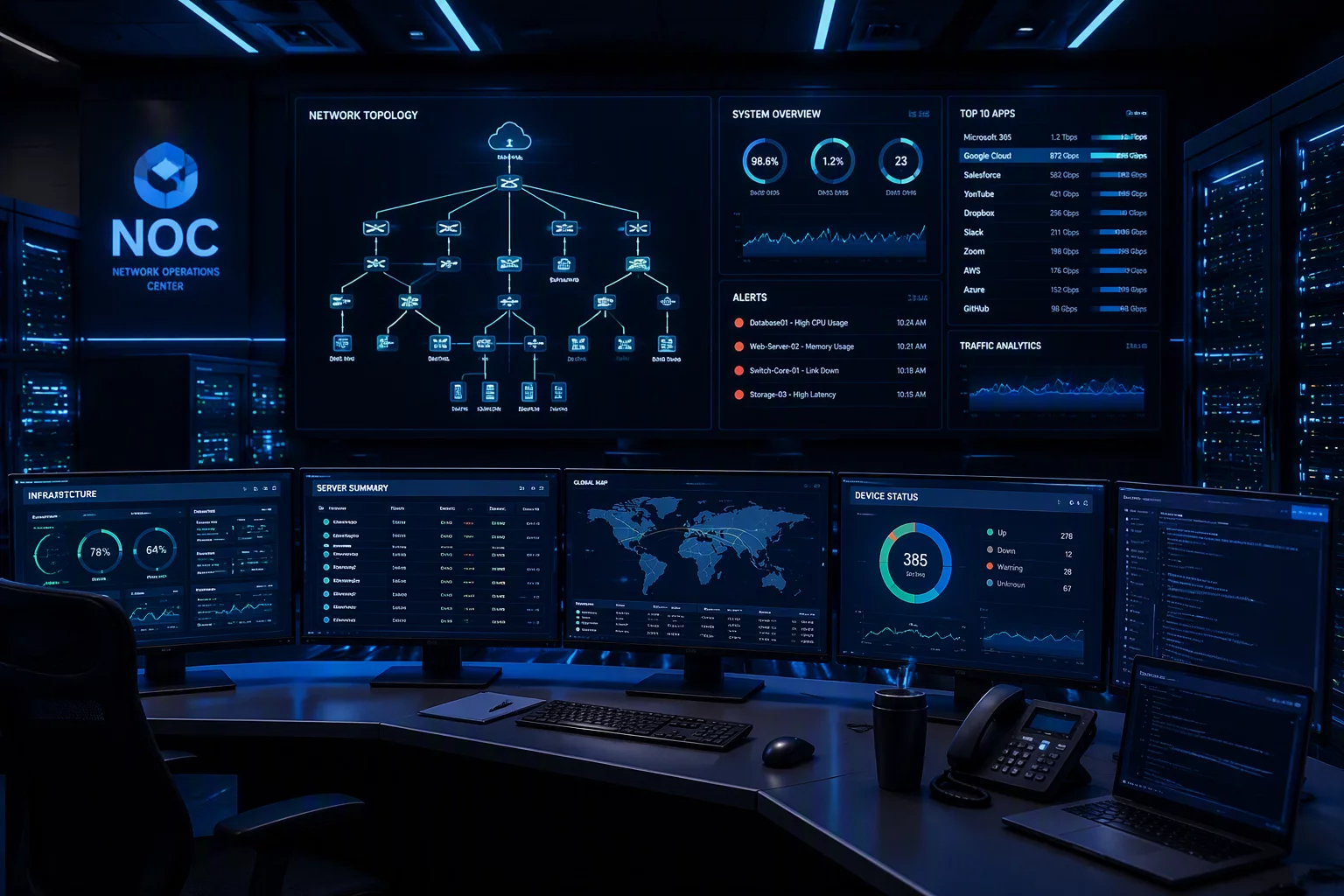
Use tabletop recovery exercises to test priorities, assumptions, ownership, dependencies, verification, and communication.
Master tactical disaster recovery drill procedures with structured backup recovery tabletop simulations. Strengthen team confidence through practical recovery readiness exercise modules designed for MSP teams, small business IT departments, and technical leads.
“Primary workstation cluster and local storage pool offline at 09:10. What is your team’s immediate response sequence?”
Run structured disaster recovery drill exercises without touching production systems. Each backup recovery tabletop workbook equips engineering and operations teams to master decision-making through realistic recovery readiness exercise scenarios.
Simulate immediate endpoint failure during peak operational hours. Assess rapid reassignment, local cache accessibility, and endpoint continuity steps.
Evaluate central storage downtime, user volume priorities, mount permissions, and staged share availability under time constraints.
Walk through database connectivity timeouts, application server dependencies, and user impact when primary business software goes dark.
Practice complete local facility disconnection. Test alternative routing, secondary cluster spin-up, and remote operational switchovers.
Face a scenario where the freshest snapshot contains silent anomalies. Decide rollback horizons versus transactional loss tolerance.
Targeted exercise when one critical microservice, DNS resolver, or third-party auth provider remains inaccessible during bring-up.
Establish explicit decision rights during incident pressure. Practice escalation protocols and define who can authorize production switchovers.
Execute structured verification tests before returning workloads to users. Validate telemetry, integrity flags, and stakeholder sign-off.
Structured step-by-step decision frameworks designed for MSP teams, IT managers, and system administrators before critical incidents occur.
 $49
$49
A rapid tabletop simulation testing team synchronization, initial triage, and primary mitigation steps under operational disruption.
 $49
$49
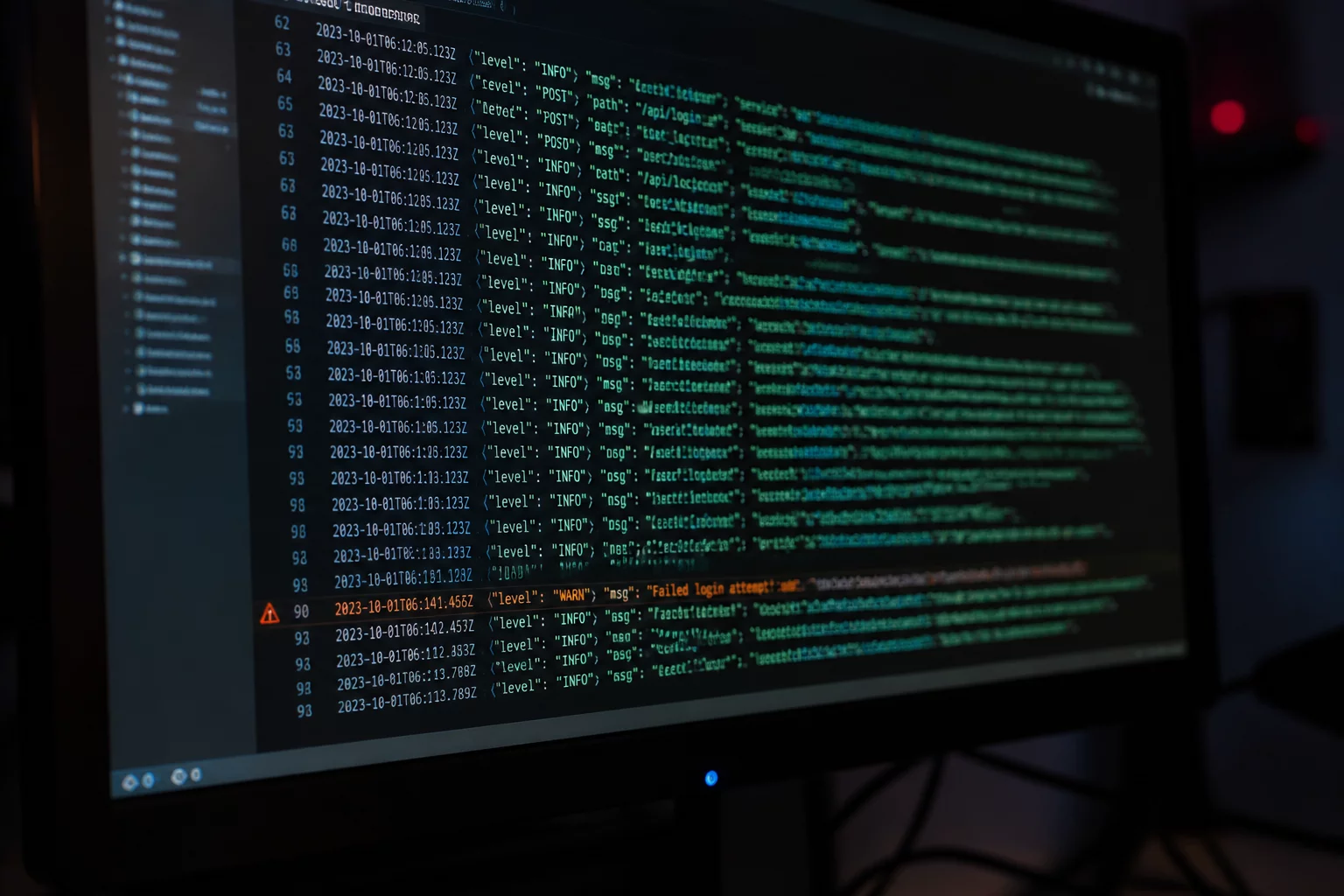
Evaluate tier-one application priority matrix, calculate business dependencies, and align sequential failover paths.
 $49
$49
Assess data consistency trade-offs, secondary snapshots, and critical rollback verification procedures.
 $49
$49
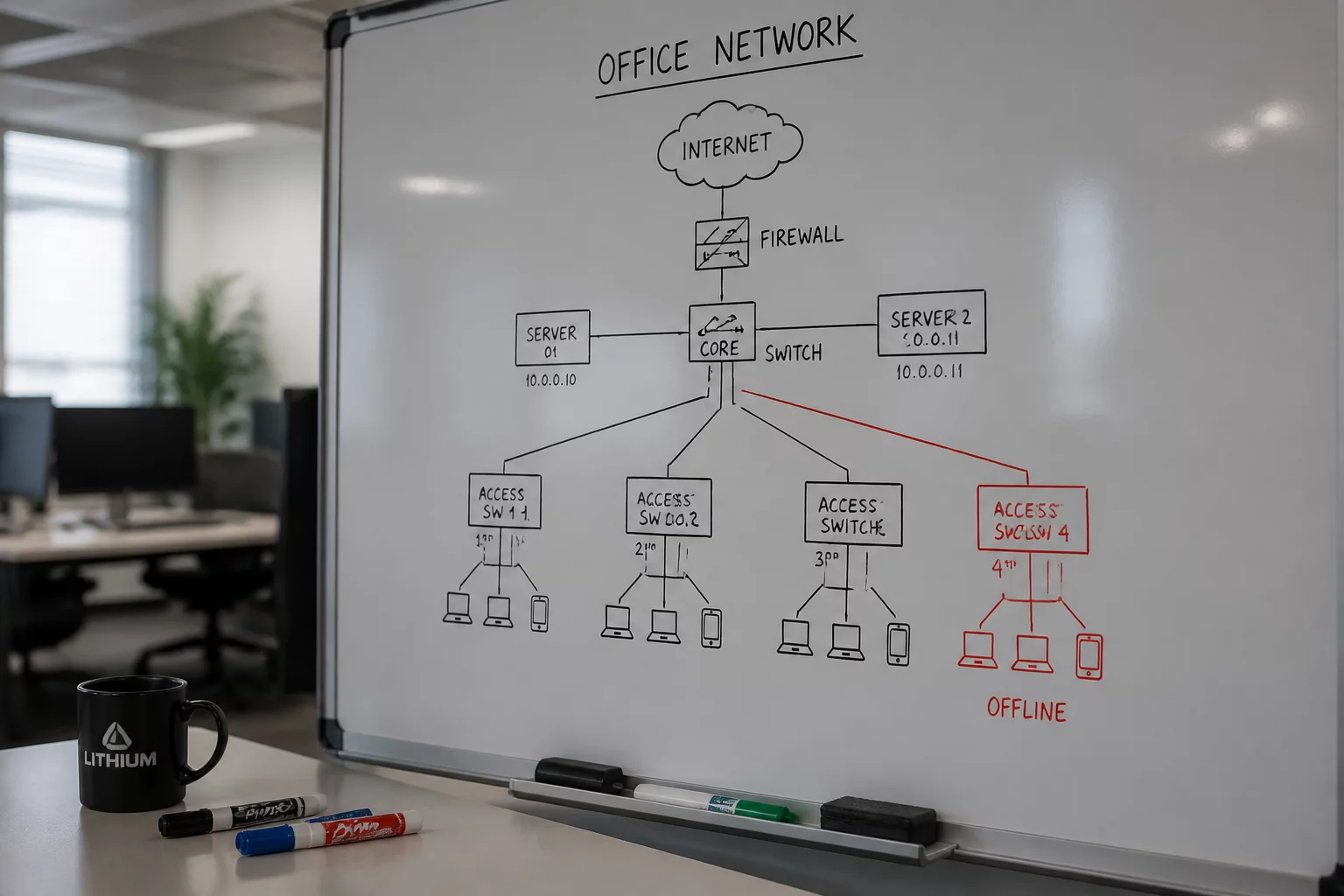
Navigate partial infrastructure availability, third-party bottlenecks, and contingency authentication bypasses.
When simultaneous outages strike, team instinct often leans toward the largest database or the loudest department. This exercise trains teams to determine priority strictly based on actual operational impact and hidden dependencies, not storage size or hardware footprint.
Active Directory / SSO cluster controlling user verification and access permissions.
Financial transaction processor requiring authentication token exchange to accept requests.
Centralized department share containing historical records, manuals, and inactive media archives.
System A: Identity & Auth Broker
Root Dependency (0 upstream blocks)
Optimal First Action
At only 120 GB, this node takes minutes to bring back online, yet holds the cryptographic keys needed for every other workload. Bringing back ERP (1.5 TB) first will result in failed service calls because it cannot authenticate requests without this broker.
Transparent fee schedules, milestone allocations, fixed deliverables, and structured change management protocols for enterprise drills and tabletop workbooks.
Individual drill workbooks, tactical templates, and digital toolkits are billed at a single standard upfront fee prior to immediate repository access. For custom team drill development or dedicated facilitator sessions, engagements require a fifty percent upfront deposit to reserve exercise slots and allocate lead scenario authors.
Custom drill split standard
For enterprise packages involving comprehensive infrastructure evaluation, multi-branch tabletop design, and cross-departmental coordination, payments are distributed across distinct performance milestones.
Standard custom project lifecycle
Each milestone requires formal client acknowledgment within five business days to authorize subsequent development phase.
Every service agreement details the precise boundaries of the training workbook. This ensures technical leaders know exactly what assets, injects, and facilitation tools are legally protected and delivered.
Zero ambiguous deliverables
All agreements strictly define participant limits, workbook revisions count, and technical platform boundary definitions.
IT architectures and organizational charts evolve. If your team requires modifications to drill injects, additional operational workflows, or adjusted timelines during an active agreement, changes follow a structured protocol.
Maximum impact review cycle
No unbudgeted costs are incurred without prior mutual written sign-off by designated technical coordinators.
From selecting an operational scenario to conducting team debriefs, follow a standardized 5-step path to strengthen incident readiness across technical teams and MSPs.
Select an incident prompt from the workbook library, such as an unreachable primary cluster or an interrupted sync checkpoint, and distribute initial incident parameters.
Hand out defined role cards including Incident Commander, Systems Engineer, Continuity Lead, and Communications Liaison to establish clear line-of-command boundaries.
Step sequentially through workload priorities, backup checkpoint validation, critical third-party dependencies, and formal authorization before any live system modification.
Complete data consistency inspections, service dependency tests, and stakeholder communication sign-offs prior to concluding the tabletop exercise.
Log bottlenecks, missing operational permissions, and outdated contact trees to immediately update organizational emergency documentation and runbooks.
Our engineering group consists of former infrastructure leads, sysadmins, and continuity coordinators. We build operational exercise workbooks that simulate real dilemmas, forcing teams to determine priorities, role ownership, and critical paths before live incidents occur.
Every drill scenario is modeled on actual infrastructure failure modes, testing decision logic rather than tool syntax.
Each workbook template undergoes hands-on walkthroughs with MSP engineers and IT managers before release.

Shift your focus from passive software testing to active tabletop decision-making. Build dependable operational workflows before unexpected downtime strikes.
Eliminate operational confusion during a disaster recovery drill. Your engineers learn exactly which systems take top priority without waiting for protracted meetings.
Identify hidden server and service interdependencies in a backup recovery tabletop before attempting database or virtual host restoration in production.
Establish unambiguous operational authority. Identify designated team leads authorized to declare incidents and greenlight official system return-to-service.
Equip technical managers with structured communication templates. Keep business stakeholders, clients, and technical staff aligned with concise status updates.
Practice rigorous post-restore integrity checks. Ensure client endpoints, data tables, and network routing are verified before formally completing a recovery readiness exercise.
Capture operational bottlenecks immediately after each simulation. Transform drill findings into targeted runbook updates and ongoing team alignment.
Explore tactical guides, communication workflows, and operational methodologies for tabletop incident exercises.
 Methodology
Learn how structured simulation scenarios test human decision-making sequences long before real infrastructure failover happens.
 Execution
Step-by-step guidance on setting drill scope, defining realistic failure injects, and assigning tactical roles across technical teams.
 Architecture
How to map authentication nodes, DNS routing, and database bindings to prevent circular dependencies during reboot phases.
 Coordination
Maintain concise escalation cadences and clean stakeholder briefing channels while technical leads isolate system disruptions.