Workbook Architecture & Execution Protocol
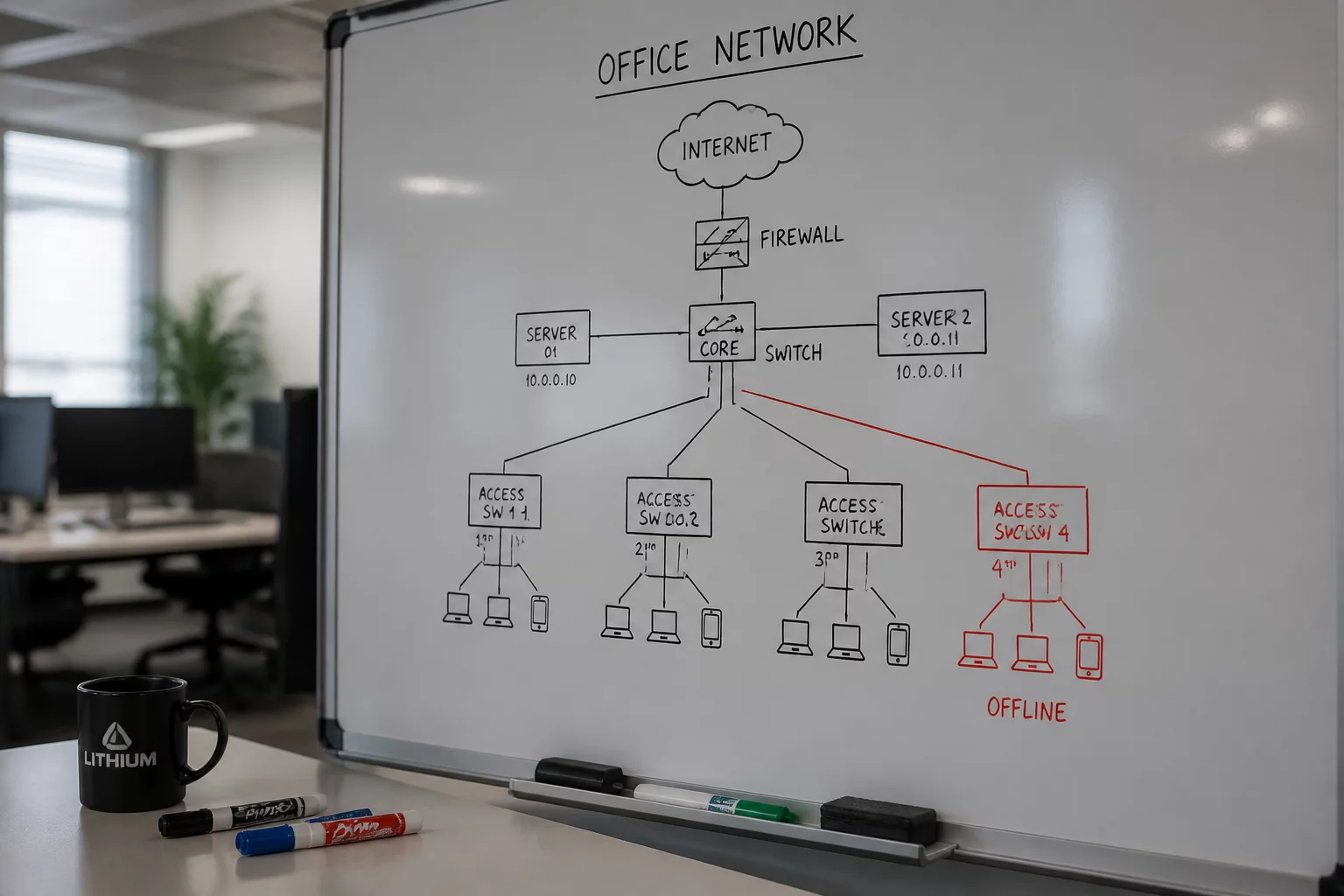
When core systems spin up after an unexpected outage, secondary dependencies often lag behind or fail entirely. This disaster recovery drill guides your engineering group through the high-pressure decision tree of operating under degraded dependencies. Teams evaluate authentication timeouts, external API blockades, and decoupled queue states during a structured backup recovery tabletop. Participants will determine whether to trigger partial feature rollback, run isolated read-only modes, or halt full restoration until the offline service returns. By exercising this recovery readiness exercise in advance, infrastructure leaders eliminate hesitation and ensure seamless incident containment.
Tabletop Simulation Methodology
This workbook frames realistic infrastructure disruptions into manageable decision checkpoints. Teams walk through timeline pressures, critical path identification, and verification before service release without needing live failover disruption.
Operational Core Outcomes
- Establish unambiguous workload sequencing based on operational criticality.
- Evaluate integrity checkpoints when point-in-time snapshots are unverified.
- Define secondary communication protocols when common platforms become inaccessible.
- Clarify sign-off authority prior to opening traffic back to end users.
“A recovery plan that has never been examined around a table remains an untested hypothesis during a crisis.”
Facilitator Walkthrough Schedule
- Phase 01 (00:00 - 00:05): Incident briefing and injected scope distribution.
- Phase 02 (00:05 - 00:20): Team deliberation on storage priority and dependency mapping.
- Phase 03 (00:20 - 00:30): Verification checklist assessment and simulated sign-off.
- Phase 04 (00:30 - 00:40): Post-incident findings documentation and action registry.
Workbook Sections Preview
Inject Distribution & Scenario Script
Includes standardized event prompts outlining partial hardware degradation, compromised storage repositories, and secondary network outages. Engineered to spark prompt consensus debates.
Format: Facilitator Script (4 Pages)Verification Checklists Before Handoff
Field-tested validation matrices covering data consistency, service identity verification, external API dependencies, and authoritative approvals.
Format: Printable Worksheets (6 Checklists)Role Cards & Decision Authorities
Pre-assigned responsibilities for Incident Lead, Infrastructure Specialist, Communications Liaison, and Business Stakeholder proxy.
Format: 5 Role Matrix Cards